

Featured examples
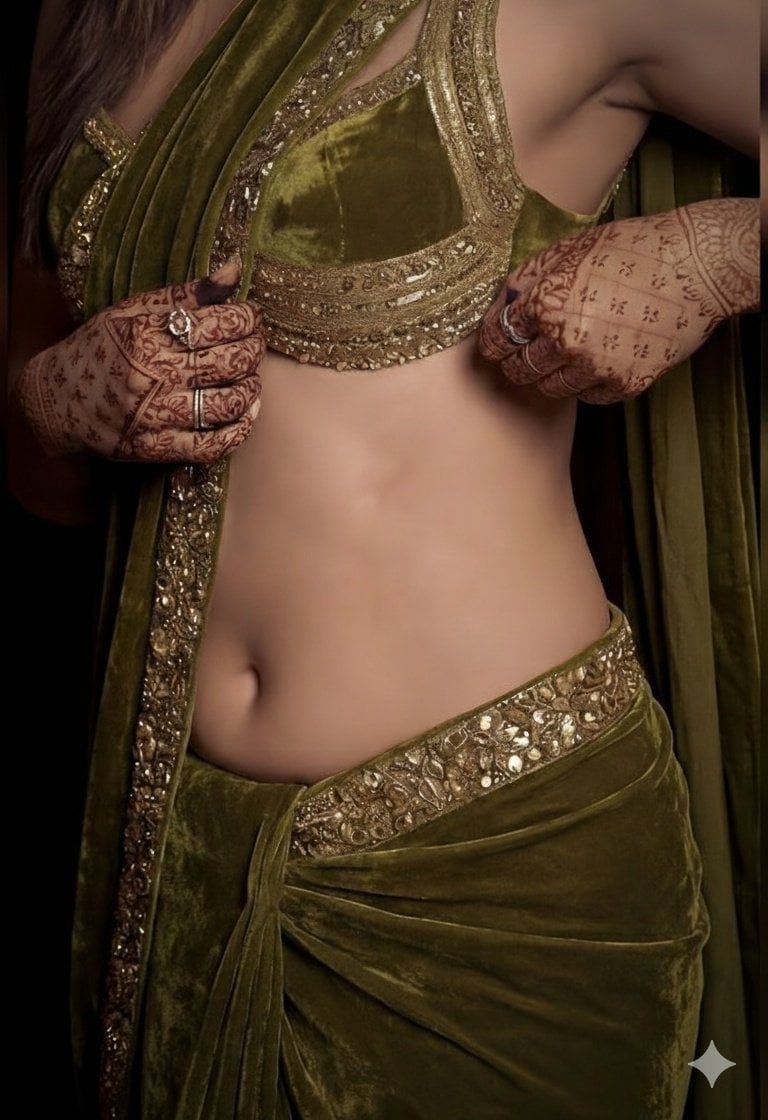
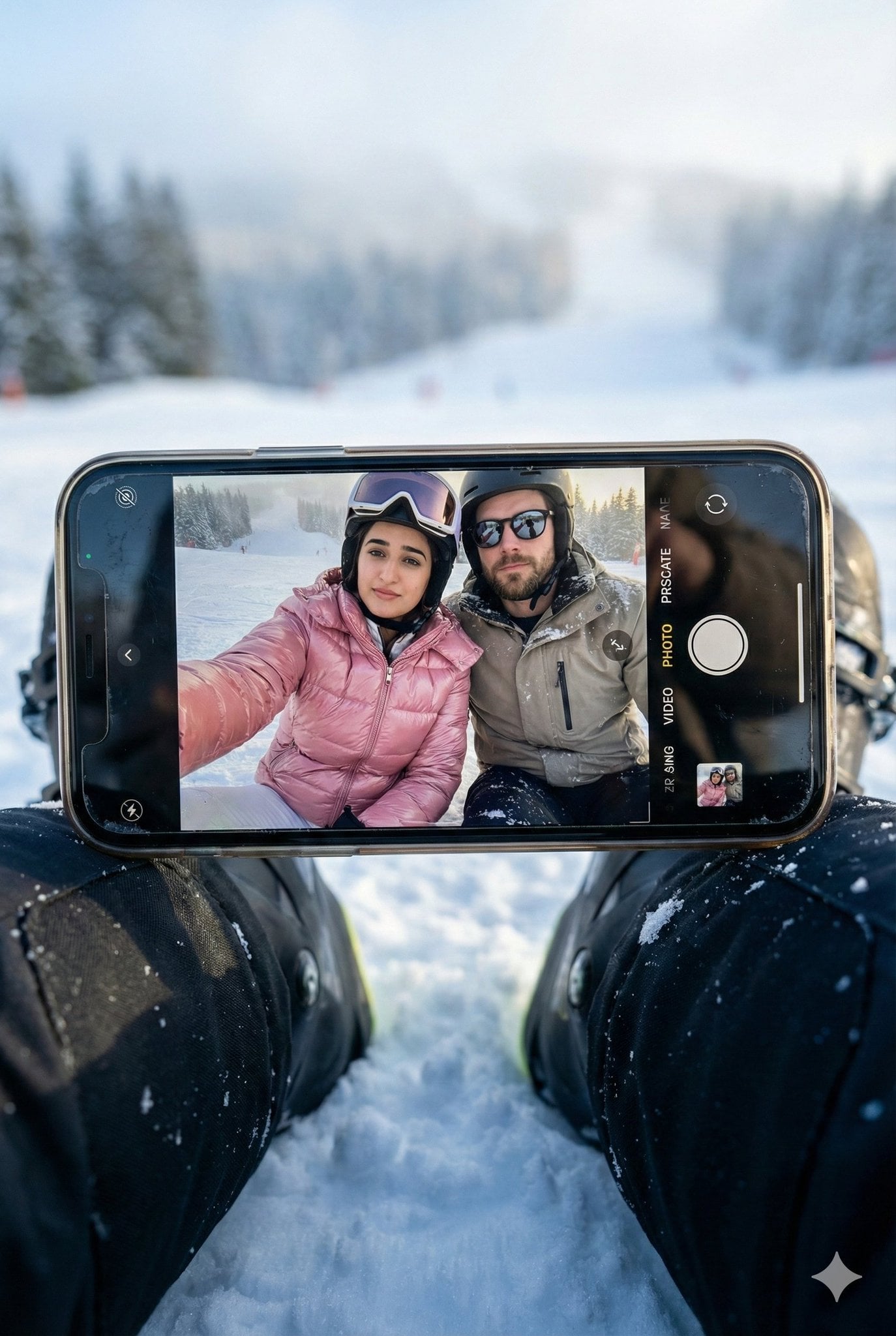
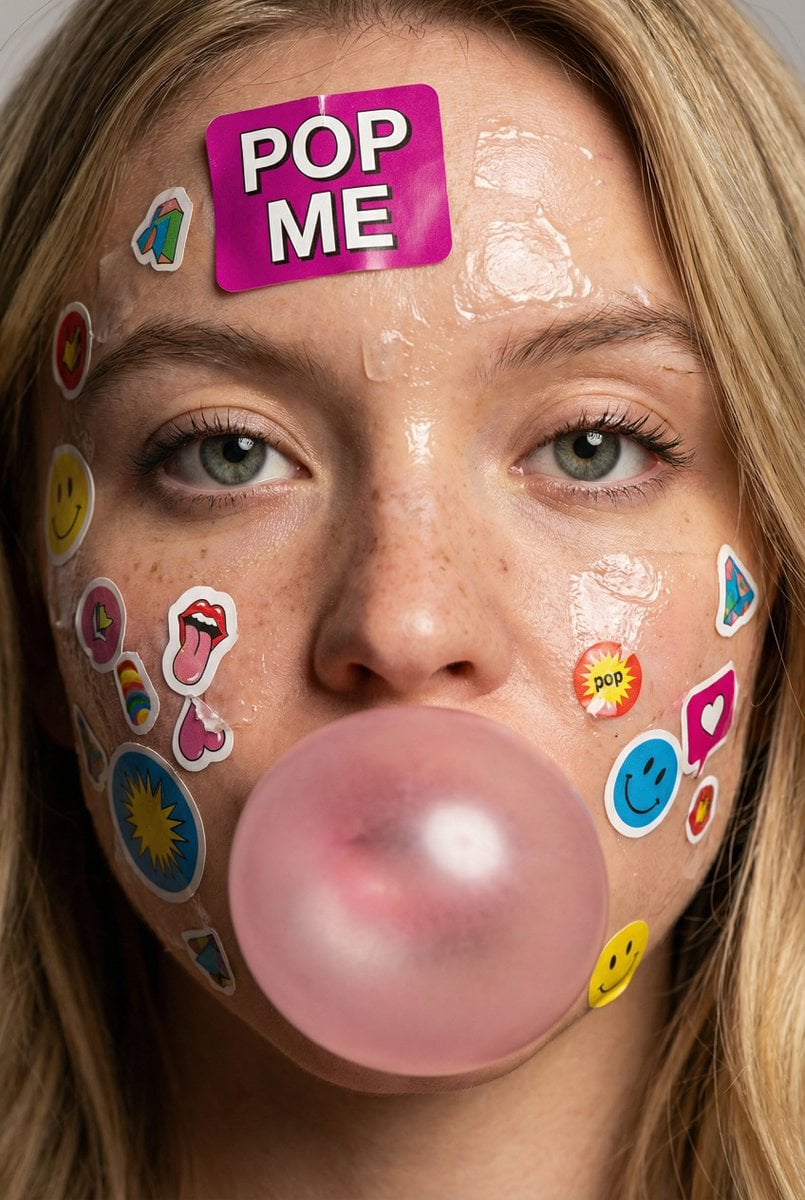
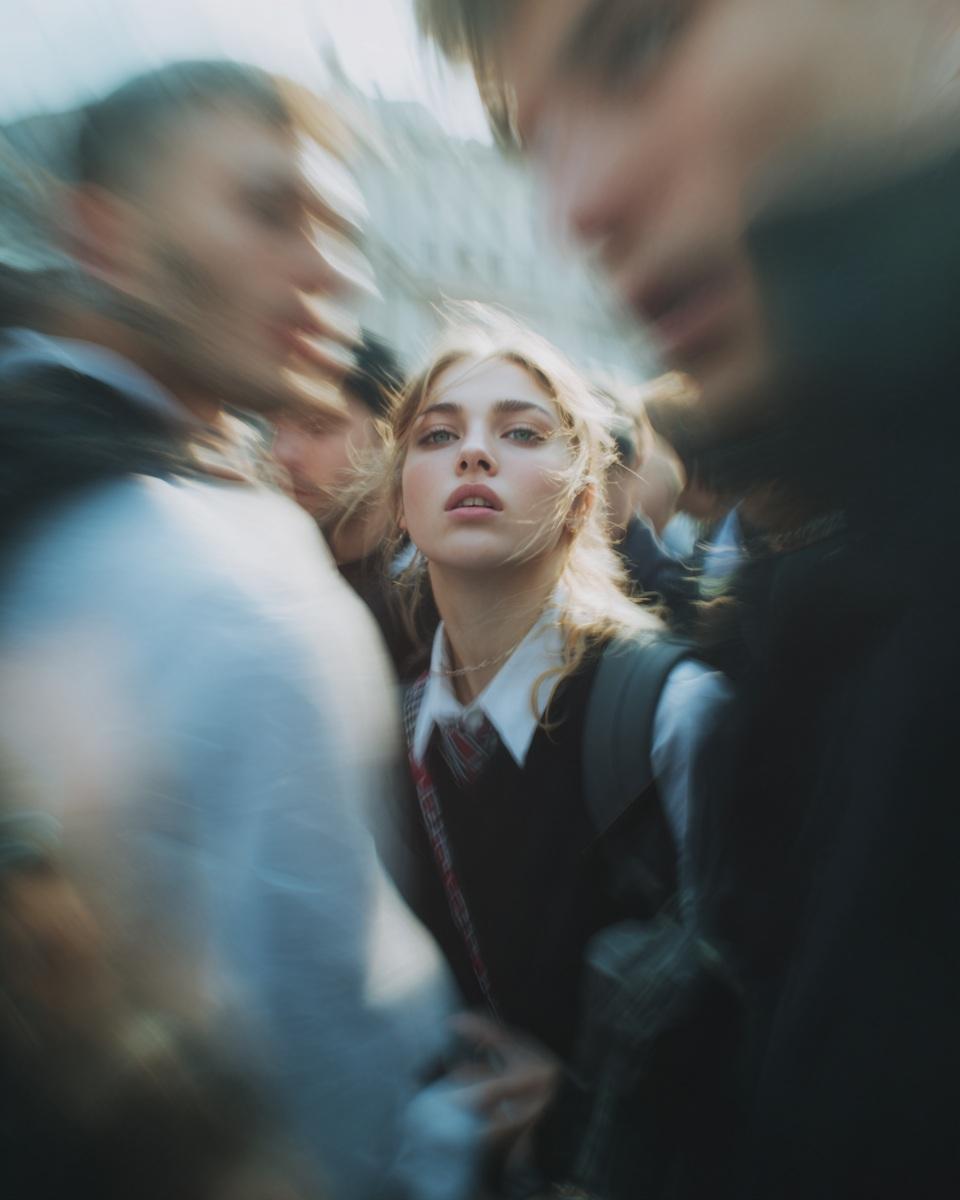
Portrait & Photography
A face, a light, and a background that does not steal the person.
746 examples17 templates
All examples












Templates for this use case
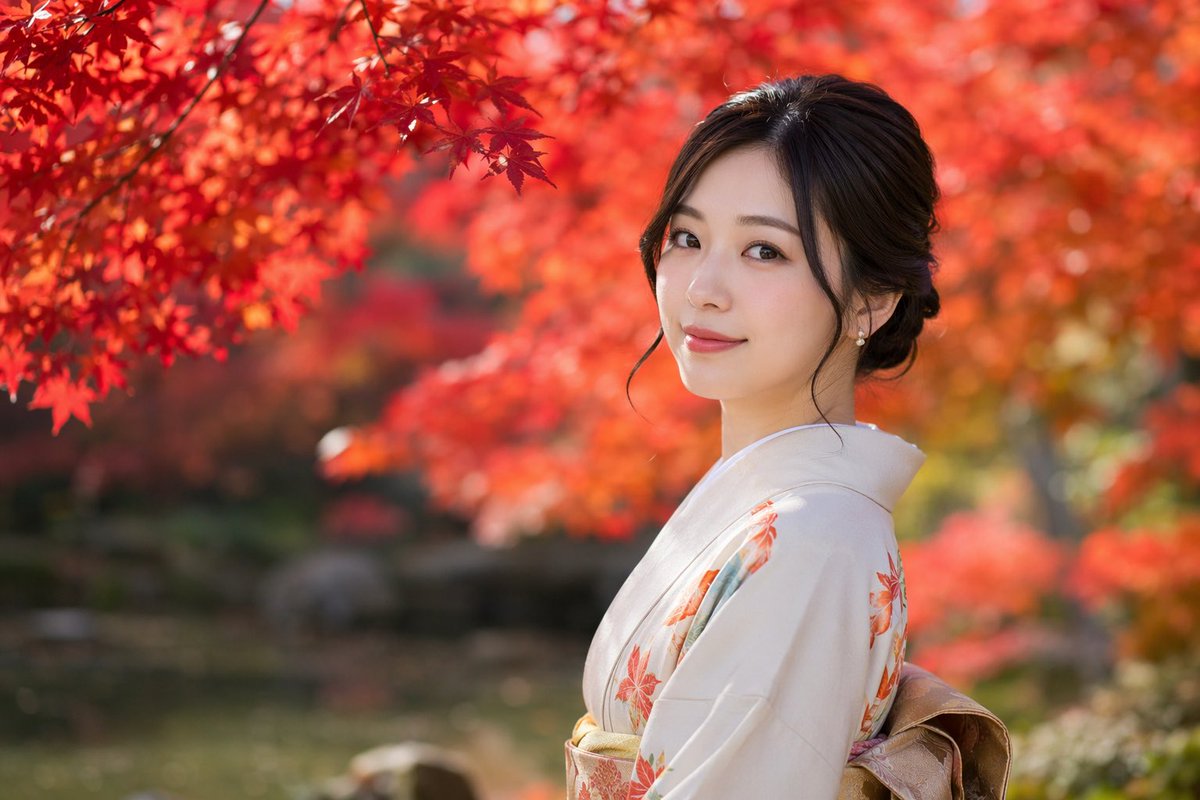
- Autumn Kimono Over-the-Shoulder PortraitUse when you want an autumn kimono portrait with a soft, blurred garden behind the subject and only her look left to decide.
- Backstage Cosplay Dressing Room PortraitUse when you want a behind-the-scenes cosplay portrait with a specific hair and costume color and your own weapon prop.
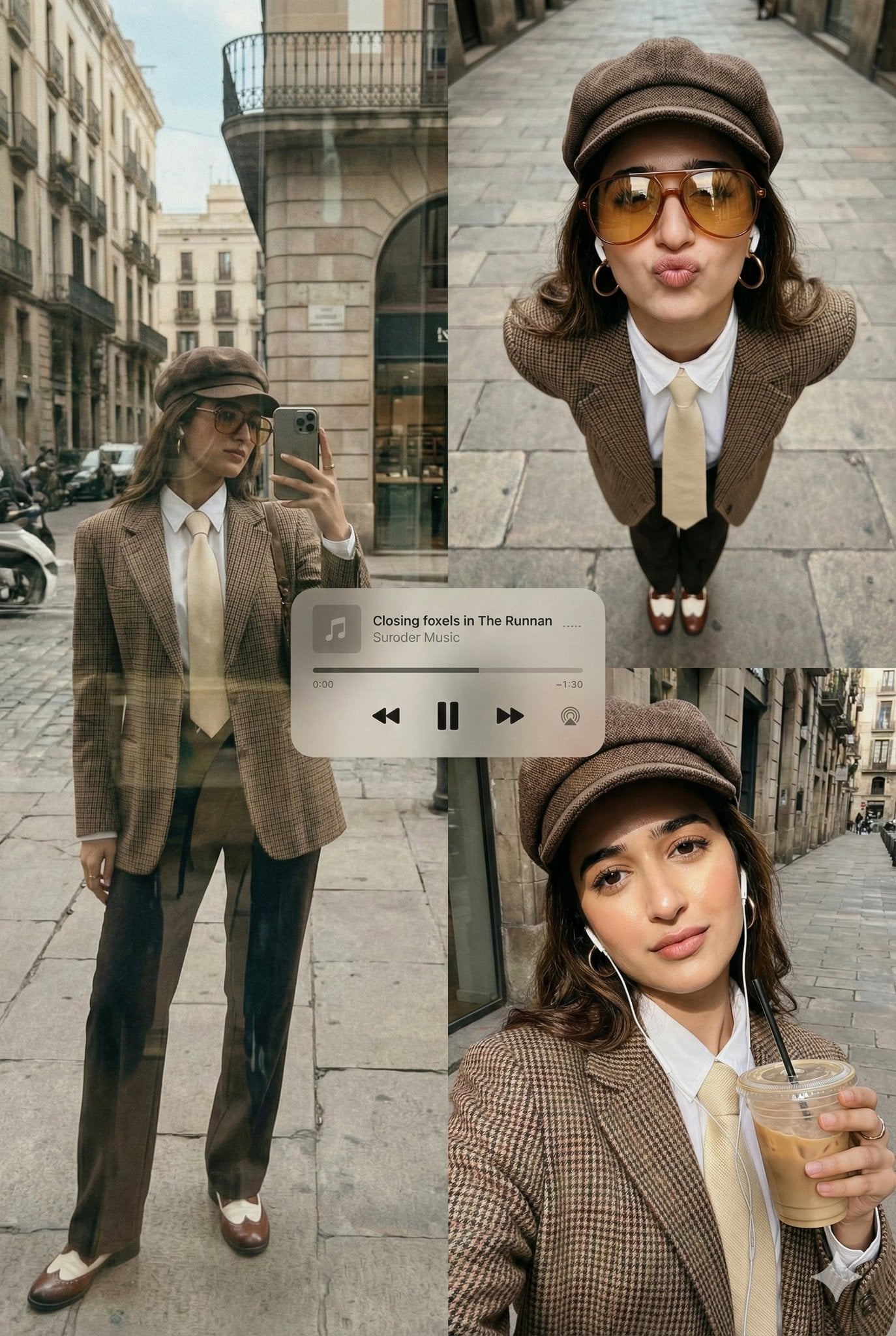
- Candid Street Portrait Film StillUse when you need a believable candid street photo of a described stranger rather than a posed studio portrait.
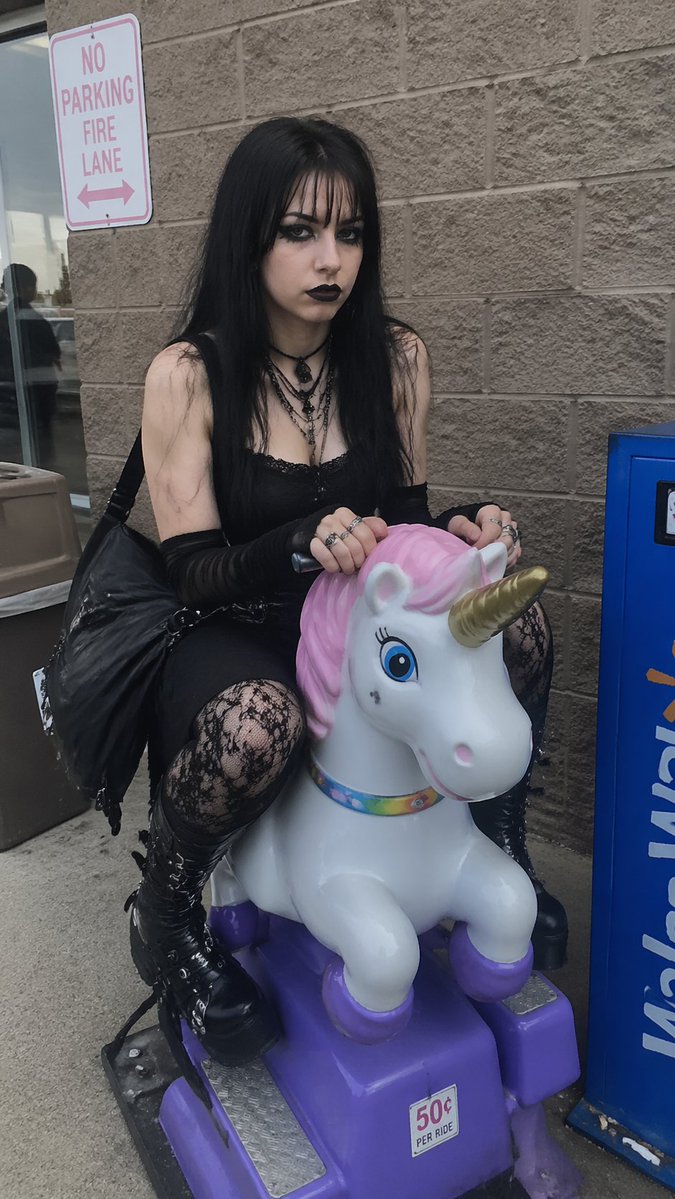
- Coin-Op Ride Candid PortraitUse when you want a deadpan street-photo portrait that pairs a subculture outfit with a kiddie ride and a real-looking storefront sign.
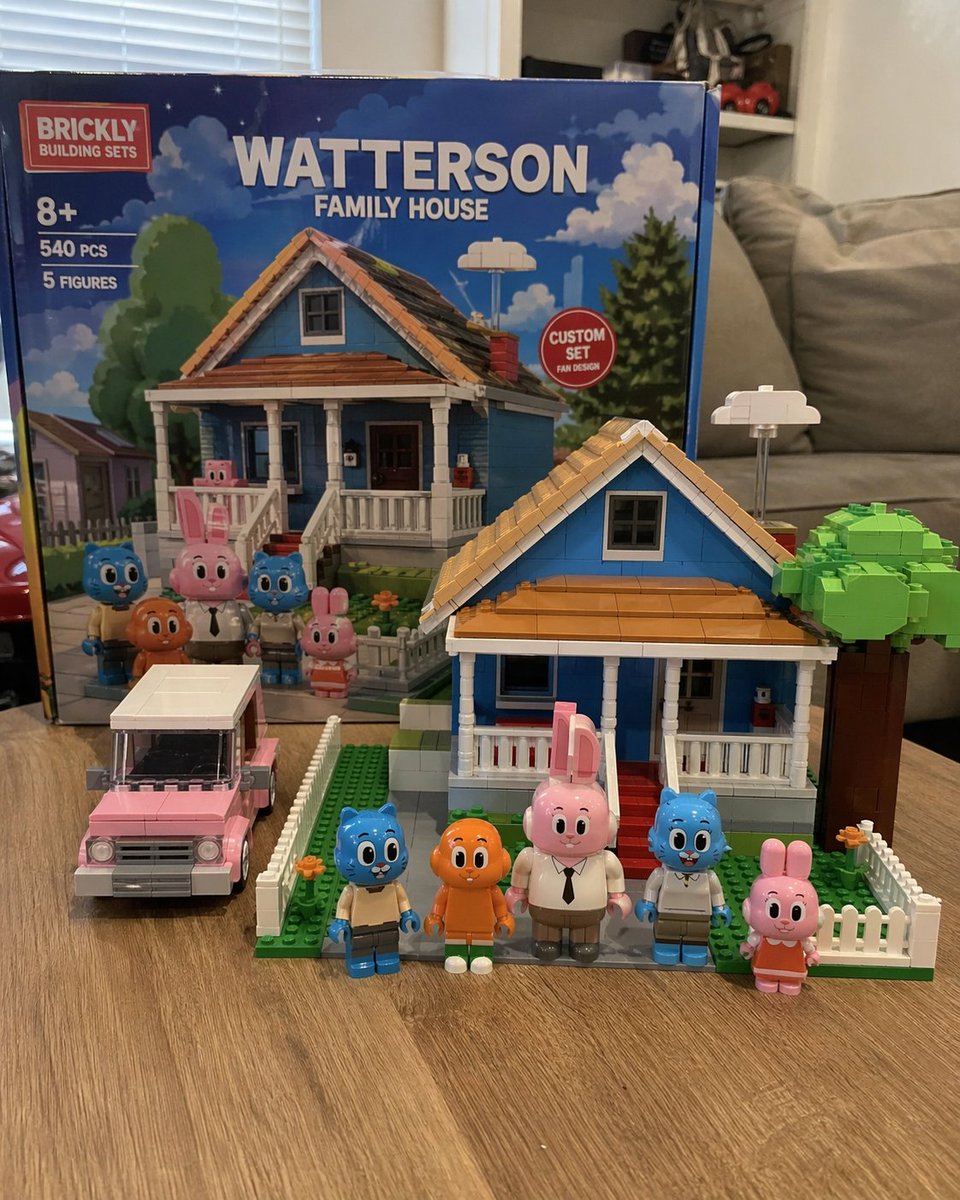
- Custom Building Block Set PhotoUse when you want a fan-designed brick set to look like a real boxed product photographed at home, without a real toy maker's branding.
- Documentary Street Portrait StudyUse when a documentary-style portrait must sit in real urban clutter, unretouched, with the subject caught mid-gesture.
- Exploded Room Interior StudyUse when you need an architectural study of one interior that shows its construction and its furnishing in a single frame.
- Fashion Casting Contact SheetUse when you need a casting or test-shoot sheet showing one face four ways, for a portfolio or before a real shoot.
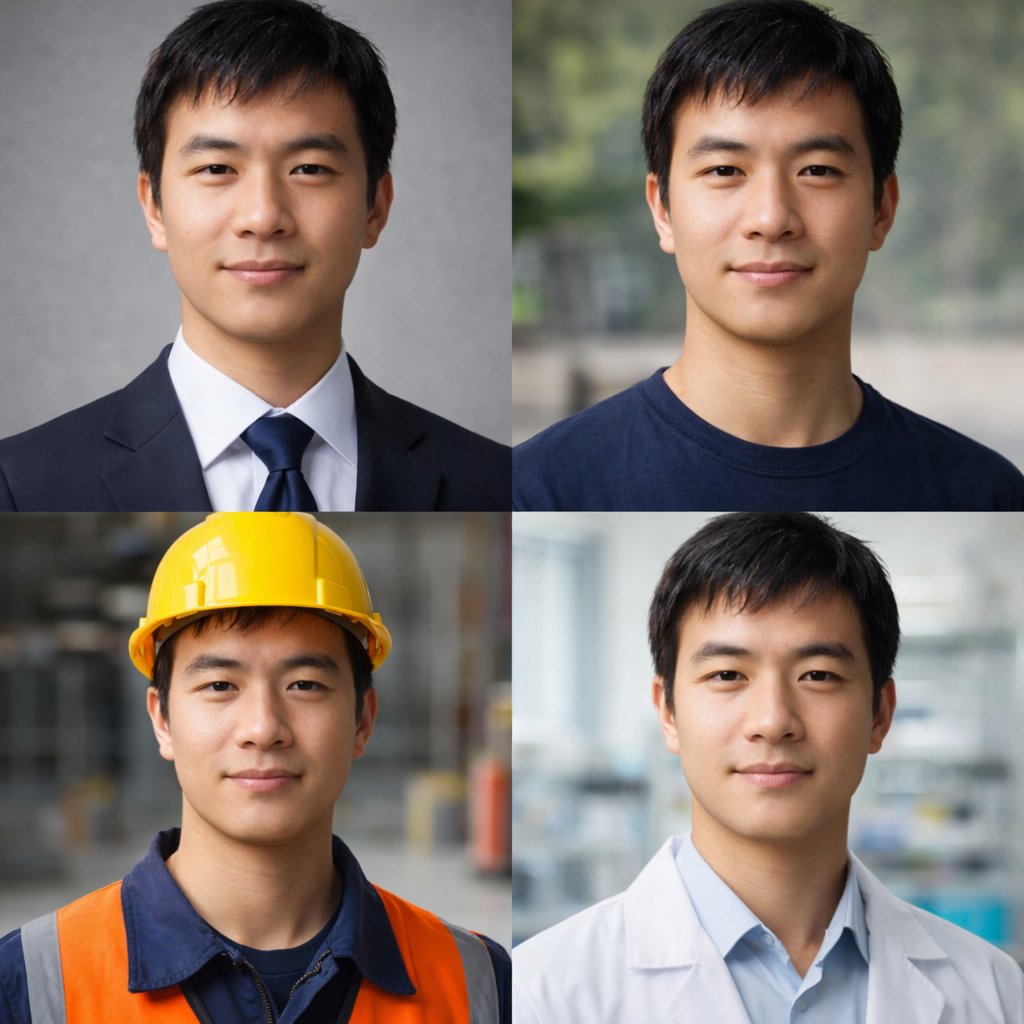
- Four-Profession Portrait GridUse when you need one person shown in several careers, as for a hiring page, a casting board or a 'many hats' post.
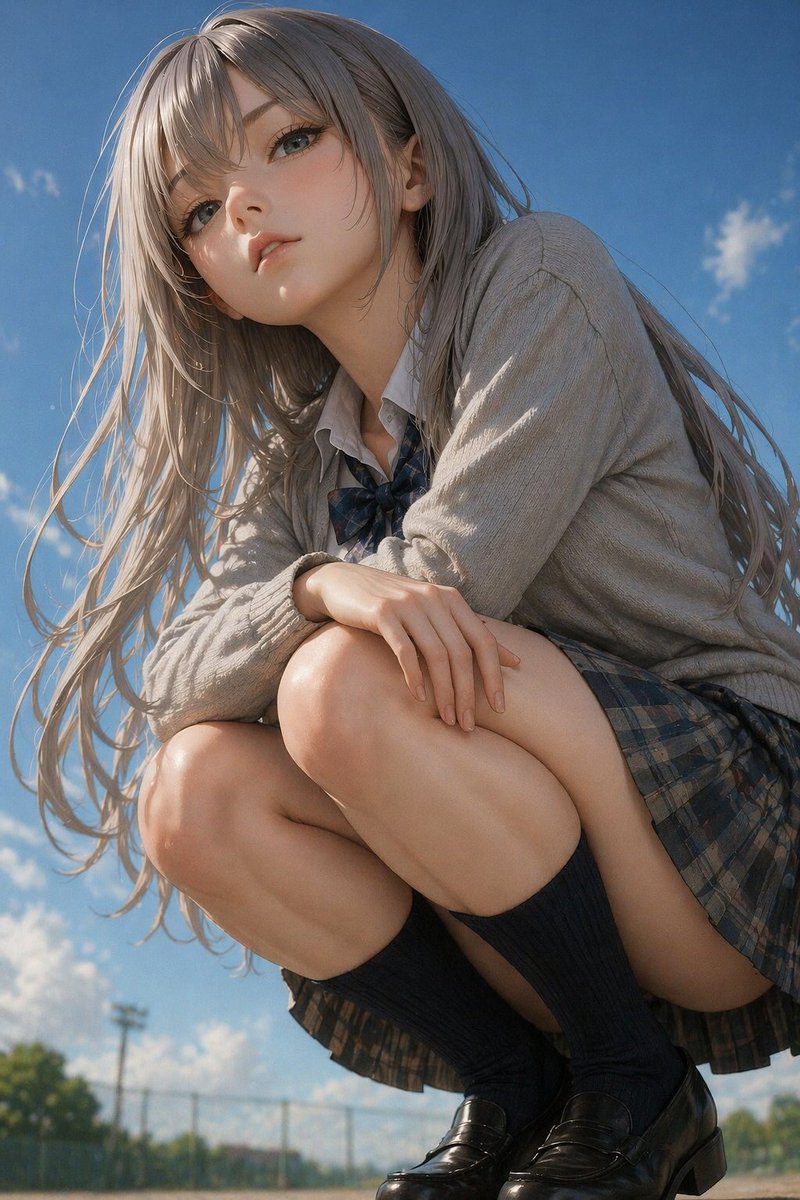
- Low-Angle Crouching Anime PortraitUse when you want a low-angle, wind-in-the-hair anime portrait over a schoolyard and only the hair color needs deciding.
- Neon Doodle Gallery Snapshot TemplateUse when you want a candid phone snap turned into a loud doodled social post with a personal handwritten caption.
- Shaped Conference Table Flat LayUse when you need a team or company visual where a number, letter or logo shape is literally the table everyone sits at.
- Sports Car in Aircraft Hangar PhotoUse when you need a cinematic hero shot of a specific car and want an aviation backdrop instead of a plain studio sweep.
- Three-Frame Luxury Campaign GridUse when a fashion or sportswear brand needs a triptych-style campaign frame with three distinct looks side by side.
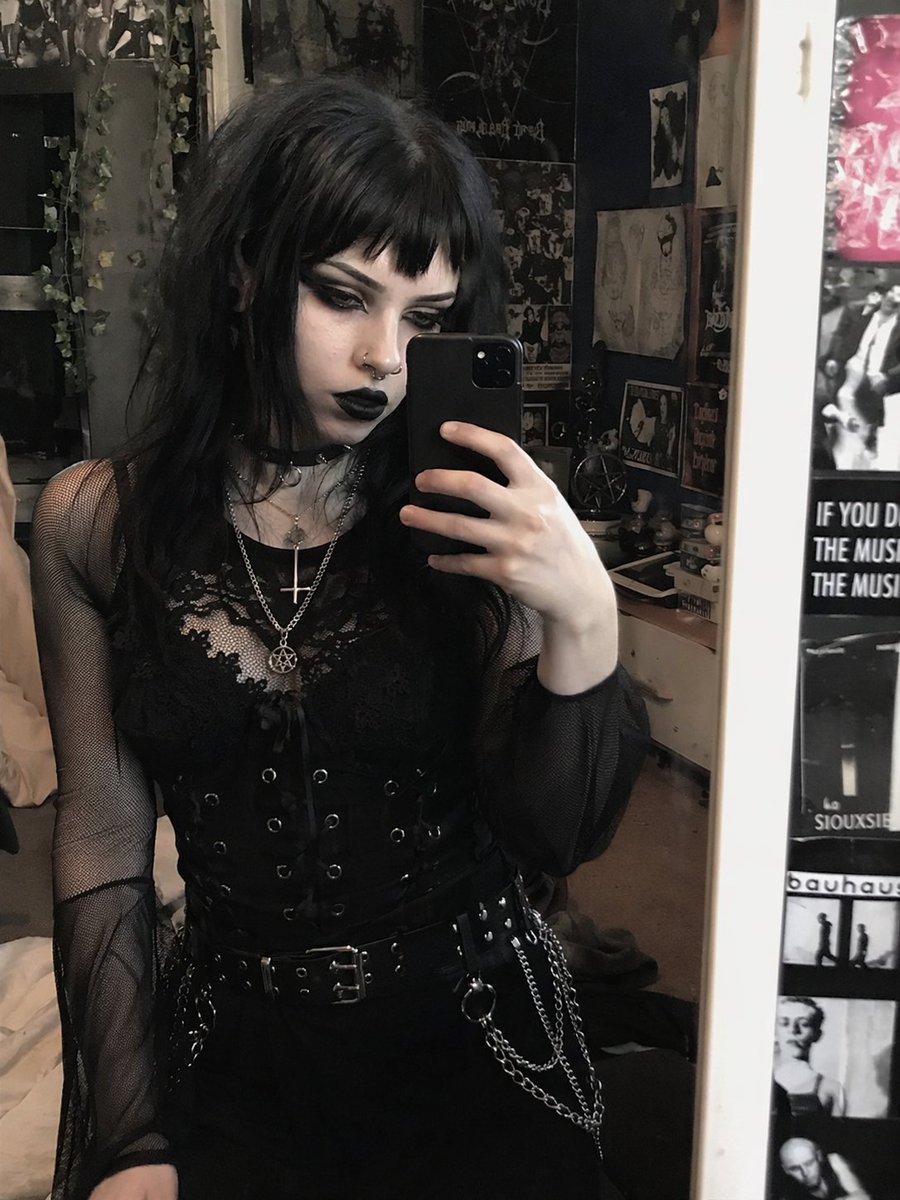
- Trad Goth Portrait MakeoverUse when you have a photo of someone and want to see her restyled into a subculture look without changing the shot.
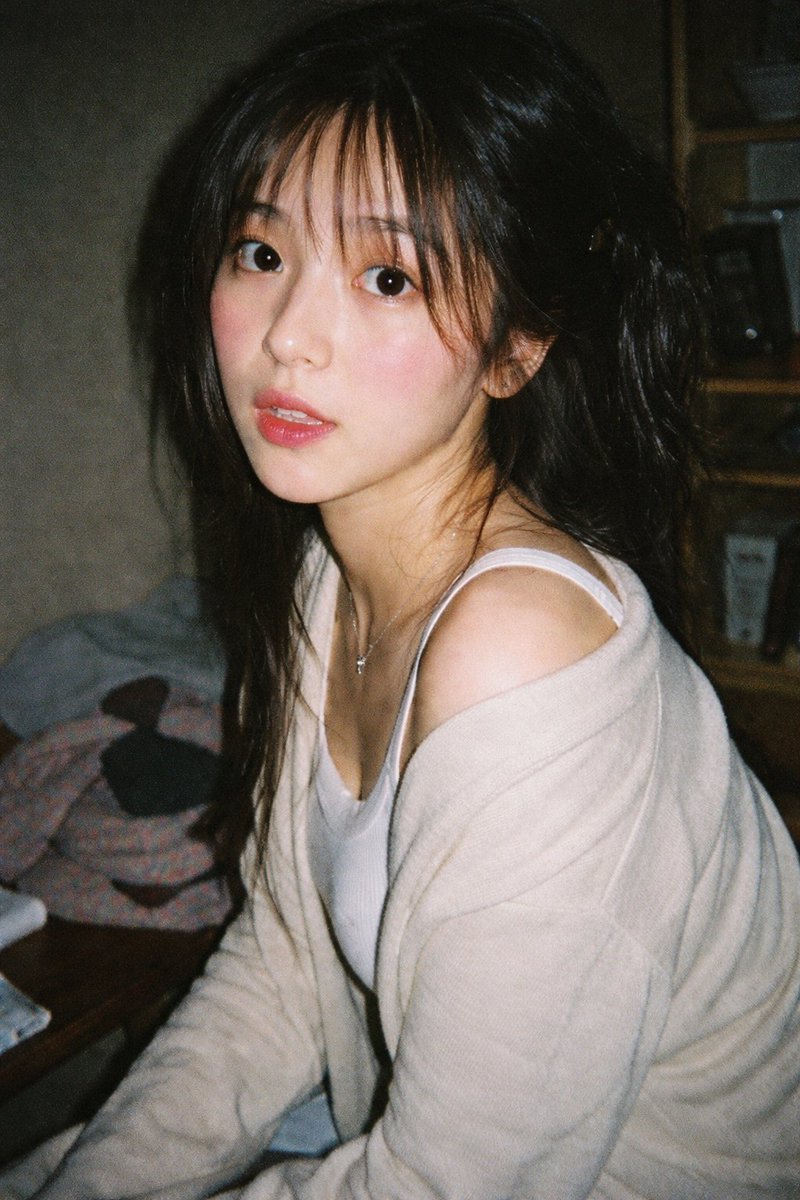
- Vintage 35mm Flash Snapshot PortraitUse when you want a candid, amateur-looking flash photo with film grain instead of a polished studio portrait.
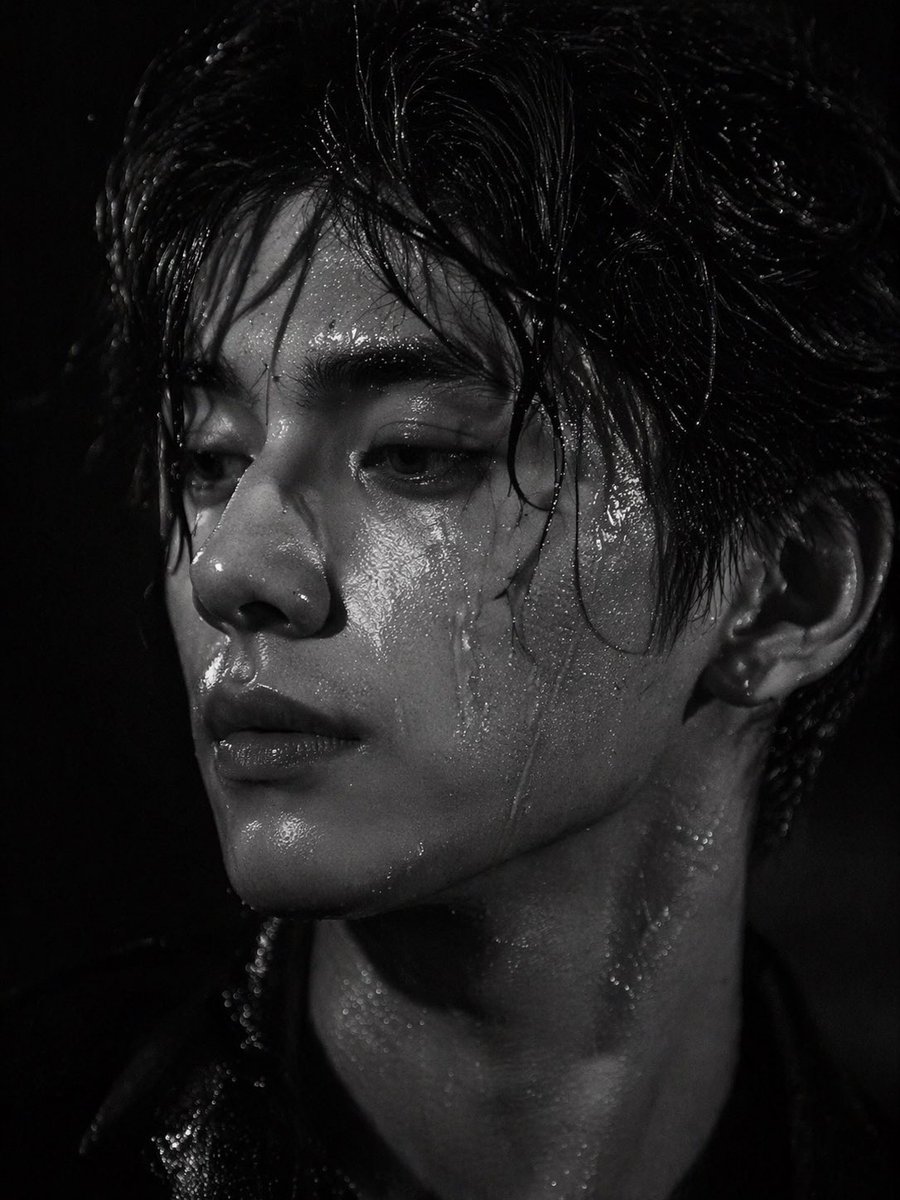
- Wet-Skin Chiaroscuro Editorial PortraitUse when you need a high-fashion editorial headshot built on wet skin and hard light rather than a set or wardrobe.
How it is built
A portrait is a relationship between a face, a light, and a background that should not steal the person. The skeleton is the subject, the key light, the catchlights in the eyes, and a space behind them that either falls off or tells a short story. What you change most is lens length, camera height, posing of hands and shoulders, and the color of the light (window, beauty dish, neon, golden hour). Keep identity details—age, hair, wardrobe, expression—as slots. Styling and location are controls. If the model smooths pores into plastic, adds a second face, or places a busy pattern right behind the head, the portrait stops being a photograph of someone. Direct the gaze first, then the clothes, then the room.
Watch-outs
- 01Describe one person. Extra faces are the most common portrait failure.
- 02Place the key light and the catchlights; “cinematic” is not a recipe.
- 03Keep the background a stop darker or simpler than the face.
- 04Name wardrobe and hair as slots so identity does not drift.